Describe
Write it or photograph it. Get back a clear, written first read: what it likely is, and a sensible next step.
Describe it in writing →A wholesaler wrote off a fan as discontinued. It was still being made — in Germany, under a different number. The manufacturer confirmed it in writing. That is the work: find out what a component actually is, whether a working equivalent still exists, and whether someone already has one sitting unused.
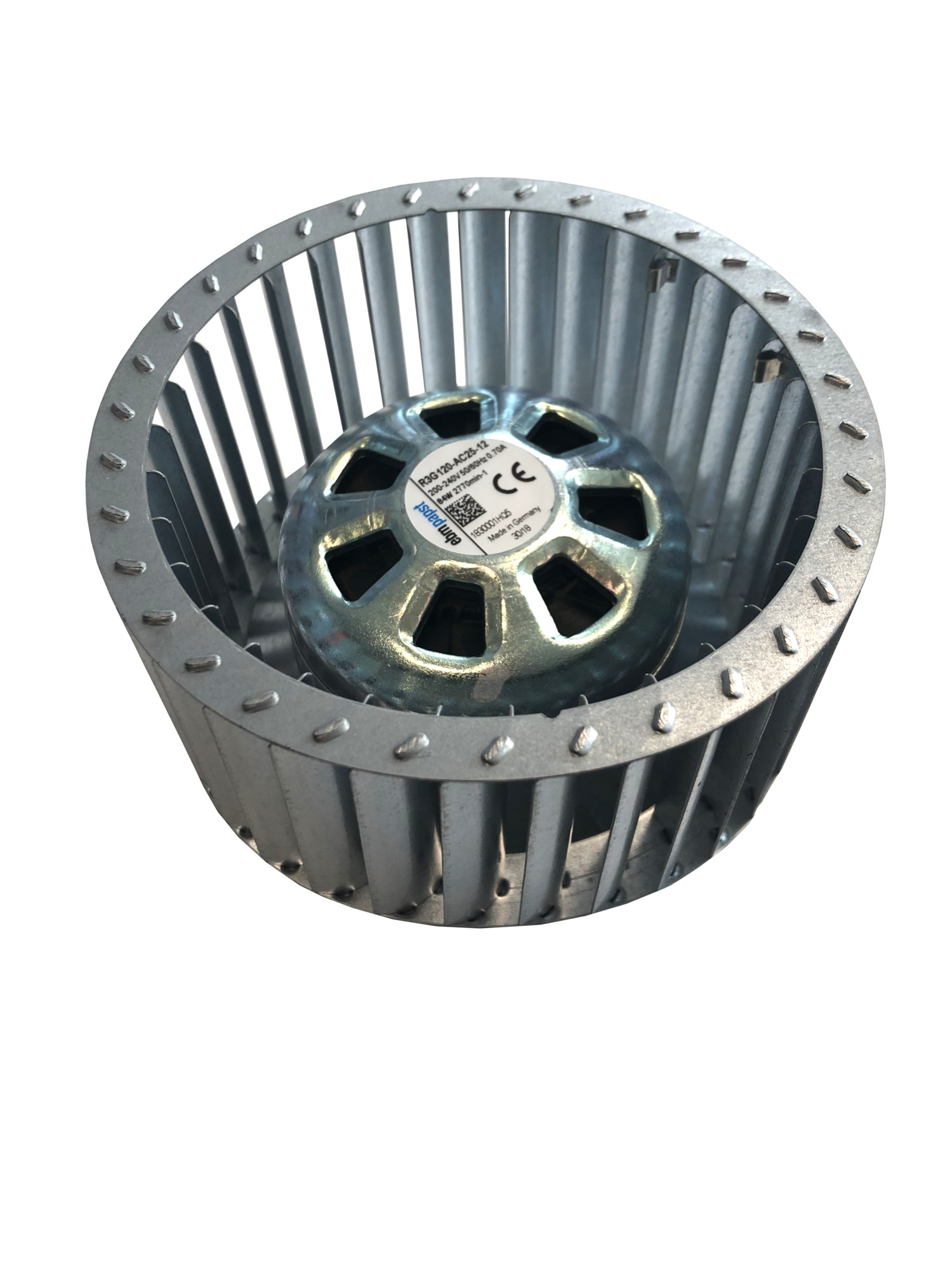
Called discontinued
How it fits together
Working components are stripped out of buildings every day, while somebody else orders the same thing new. They never meet, because nobody wrote down what the first one was. Beeping closes that gap: the components coming out get documented, and the people looking for one can find them.
A component coming out of a building is photographed and written down: what it is, what it does, what condition it is in.
The catalogue works out what it actually is — including the same component sold under another brand or number. A professional verifies before it counts.
Someone searching for that component finds it, instead of buying new while a working one goes to the container.
Beeping suggests matches from public data and its own records; a professional verifies before anything is ordered or scrapped. Identification is at component level — not an official manufacturer endorsement.
The case behind the claim
A wholesaler wrote the number off as discontinued. The fan was still in production — it simply carries the appliance maker’s number rather than the manufacturer’s. It was read off the fan’s own type plate first.
ebm-papst Denmark confirmed it by email on 4 August 2026 and supplied the datasheet.
I need a part
Often under a different brand, or a different number. Describe what you need — or photograph it — and Beeping works out what it actually is, whether a working equivalent still exists, and whether one is already sitting documented and unused. The system suggests; you decide.
Type what you are after, or photograph the part or its nameplate. Either works.
What it actually is, and whether a working equivalent still exists — including the same component under another brand or number.
A professional confirms the match before you order.
If nothing turns up
Nothing found is an answer too, and you get told plainly. We can keep the request open for twelve months instead, re-checking as stock and listings change, and write to you if it appears.
Not sure what you are looking at? Show it to a professional — live on video, or in writing.
Beeping suggests matches from public data; a professional verifies before anything is ordered. Identification is at component level — not an official manufacturer endorsement.
I have components spare
Aging or stranded installations are not automatically waste. Each component gets documented and given real numbers: resale price and demand, plus an estimated CO₂ figure for your reporting. You keep what still has value, and only replace what you actually have to.
Photograph the components; the system structures what they are.
Real resale price and demand, plus an estimated CO₂ figure for reporting.
Keep, re-purpose, resell, or replace. A professional verifies before anything is decided.
Real case
A tenant built a space to their exact needs, then went under. The owner was left with near-new, custom equipment that looked worthless — until an engineer saw it could be re-purposed. That is the gap Beeping closes, at portfolio scale.
Stuck on something specific? Show it to a professional — live on video, or in writing.
CO₂ figures are estimates with stated sources and method, reviewed by a qualified party. Resale price and demand are market indications, not guaranteed recovery values.
When you want a set of expert eyes
Write it or photograph it. Get back a clear, written first read: what it likely is, and a sensible next step.
Describe it in writing →Get on a live video call. Someone looks at it with you, and you leave with a clear next step — or a handoff a plumber can actually use.
Show it live on video →Remote support does not replace on-site work. The system structures and suggests; a professional decides.
Same system, no matter where you start. A professional looks at it before anything is decided.